Conception
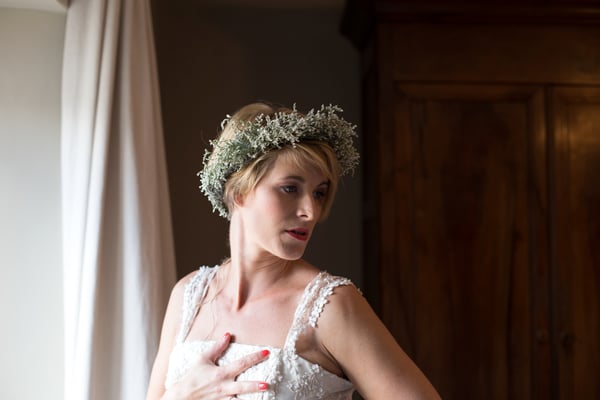
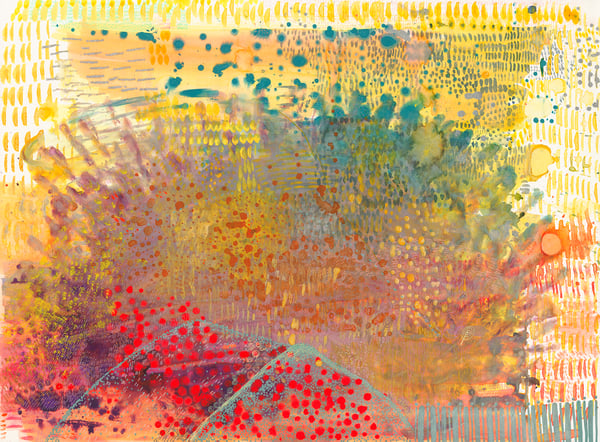
Conception is a body of work that was created between 2021 - 2025. Some pieces completed recently, others reawakened after long periods of being stuffed under my bed. It began, and ultimately returned, to the same place: my dining room table. This work did not come easily. It’s been a struggle to establish a studio practice, and harder still to silence the critical voice that often meets me there. That voice, persistent and overwhelming, held me back for years. But with time and care, I’ve begun to hear another voice: one that is brave, strong, and true. It’s the voice of my younger self, the child who once sat on these same yellowwood benches, fearless with her paintbrush, certain in her joy. Conception is a collaboration, a quiet reclaiming. I combine layered ink washes, meticulous pen work, and reimagined photographic images from my personal archive. Beginning each piece with loose, fluid gestures, letting ink find its way, I return with pen to make detailed, repetitive marks. The process is meditative and slow, offering moments of presence and clarity. Over time, I’ve come to understand this method as both aesthetic and therapeutic, a space where I meet myself honestly. The work explores rites of passage: birth, youth, adolescence, motherhood, and death as cycles shaping identity. The photographs I revisit are old but unfinished stories, recoloured, reworked, and transformed. In that transformation lies the heart of Conception: turning memory, and sometimes pain or grief, into something vivid, tactile, and new. This body of work witnesses the tension between fear and creativity, memory and renewal, doubt and expression. Through recolouring the past, I've found ways to move forward.
Lucky
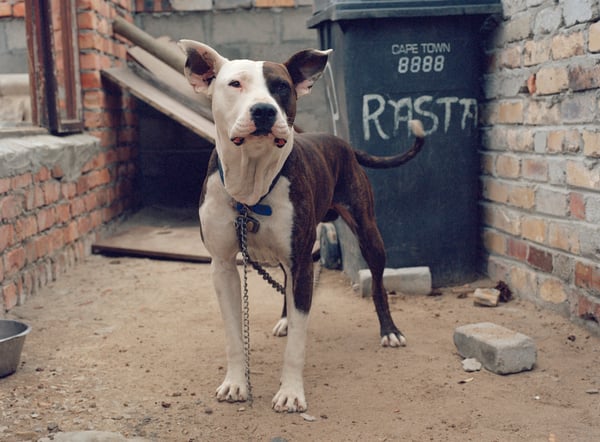
Lucky investigates the intertwined histories of humans and dogs in contemporary South Africa, treating each canine companion as a living archive of social stratification, migration, and power. Drawing on Sandra Swart’s ethnographic reading of dogs as cultural signifiers (2003) and building upon the visual anthropology of Graham Hughes and the animal‑gaze discourse of Laura Mulvey, the series positions the dog‑owner dyad as a micro‑political site where authority, belonging, and resistance surface in everyday gestures. Shot on medium‑format film, the work demands a slower, more contemplative presence, allowing the photographer to inhabit the same temporal rhythm as the subjects. This deliberate pacing uncovers subtle details: hand placement, leash tension, the texture of a worn collar, that betray socioeconomic status, gendered expectations, and regional identities. An initially pragmatic decision to omit owners’ faces, prompted by concerns over illegal dog‑fighting associations, has become a formal device of “strategic anonymity.” By erasing the conventional focal point of the human gaze, the images compel viewers to read relational cues, thereby exposing the invisible hierarchies that govern care, control, and co‑existence. Lucky thus operates as both a social portrait and a meditation on the materiality of connection, asking: how much of who we are can be read in the way we hold, protect, or restrain the animals that walk beside us?